Khon Kaen Talk
จากกระดูกเพียงชิ้นเดียว…สู่การเปิดโลกยุคดึกดำบรรพ์ของประเทศไทย
จุดเริ่มต้นแห่งประวัติศาสตร์ไดโนเสาร์ไทย
จากกระดูกเพียงชิ้นเดียว…สู่การเปิดโลกยุคดึกดำบรรพ์ของประเทศไทย
หากย้อนเวลากลับไปเมื่อกว่า 130 ล้านปีก่อน บริเวณที่เป็นภาคตะวันออกเฉียงเหนือของประเทศไทยในปัจจุบัน ไม่ได้เป็นทุ่งนา ไม่ใช่เมืองใหญ่ และไม่มีแม่น้ำโขงไหลผ่าน หากแต่เป็นผืนป่าเขตร้อนอันอุดมสมบูรณ์ สลับกับลำน้ำและพื้นที่ชุ่มน้ำกว้างใหญ่ ซึ่งเต็มไปด้วยสัตว์เลื้อยคลานยักษ์ที่เราเรียกว่า “ไดโนเสาร์” เรื่องราวทั้งหมดถูกซ่อนอยู่ใต้ชั้นหินเป็นเวลาหลายสิบล้านปี จนกระทั่งการค้นพบกระดูกเพียงชิ้นเดียว ได้กลายเป็นจุดเปลี่ยนสำคัญของวงการวิทยาศาสตร์ไทย
การค้นพบที่เปลี่ยนหน้าประวัติศาสตร์
ในปี พ.ศ. 2519 ระหว่างการสำรวจทางธรณีวิทยา ณ บริเวณภูเวียง จังหวัดขอนแก่น นักธรณีวิทยาชาวฝรั่งเศส Éric Buffetaut และคณะ ได้สังเกตเห็นกระดูกขนาดใหญ่โผล่ออกมาจากชั้นหินทราย เมื่อทำการศึกษาร่วมกับนักวิทยาศาสตร์ไทย จึงพบว่ากระดูกดังกล่าวเป็น กระดูกหัวเข่าของไดโนเสาร์กินพืชขนาดใหญ่ หรือซอโรพอด (Sauropod) แม้จะเป็นเพียงกระดูกชิ้นเดียว แต่ความสำคัญของมันมหาศาล เพราะนี่คือ หลักฐานชิ้นแรกที่ยืนยันอย่างเป็นทางการว่า ประเทศไทยเคยมีไดโนเสาร์อาศัยอยู่จริง การค้นพบครั้งนั้นได้จุดประกายการสำรวจทางบรรพชีวินวิทยาอย่างจริงจังทั่วประเทศ และทำให้ชื่อของ “ภูเวียง” กลายเป็นหนึ่งในแหล่งค้นพบไดโนเสาร์ที่สำคัญที่สุดของเอเชีย
ภูเวียง…หุบเขาแห่งไดโนเสาร์
อุทยานแห่งชาติภูเวียง ไม่ได้เป็นเพียงภูเขาหินธรรมดา ชั้นหินที่นี่มีอายุอยู่ในช่วงยุคครีเทเชียสตอนต้น (Early Cretaceous) ราว 130–120 ล้านปีก่อน ซึ่งเป็นยุคที่ไดโนเสาร์ยังครองโลกจากการสำรวจอย่างต่อเนื่อง นักวิทยาศาสตร์ได้ค้นพบซากดึกดำบรรพ์จำนวนมาก ไม่ว่าจะเป็น
* กระดูกไดโนเสาร์หลายชนิด
* ฟันไดโนเสาร์กินเนื้อ
* รอยเท้าไดโนเสาร์
* ซากจระเข้โบราณ
* เต่าโบราณ
* ปลาโบราณ
* พืชดึกดำบรรพ์
หลักฐานเหล่านี้ช่วยให้สามารถจำลองระบบนิเวศของประเทศไทยเมื่อกว่า 100 ล้านปีก่อนได้อย่างน่าทึ่ง
กำเนิด “ภูเวียงโกซอรัส”
หลังจากการขุดค้นอย่างต่อเนื่อง นักวิทยาศาสตร์สามารถรวบรวมโครงกระดูกได้มากพอที่จะประกาศไดโนเสาร์ชนิดใหม่ของโลก คือ Phuwiangosaurus sirindhornae ชื่อ “Phuwiangosaurus” หมายถึง “กิ้งก่าแห่งภูเวียง” ส่วนคำว่า “sirindhornae” ได้รับการตั้งเพื่อถวายพระเกียรติแด่ สมเด็จพระกนิษฐาธิราชเจ้า กรมสมเด็จพระเทพรัตนราชสุดาฯ ผู้ทรงสนพระราชหฤทัยด้านธรณีวิทยาและบรรพชีวินวิทยา ไดโนเสาร์ชนิดนี้มีความยาวประมาณ 15–20 เมตร หนักหลายสิบตัน เดินด้วยสี่ขา และกินพืชเป็นอาหาร การประกาศชนิดพันธุ์ดังกล่าวทำให้ชื่อของประเทศไทยได้รับการยอมรับในวงการบรรพชีวินวิทยาระดับโลก มากกว่าซากกระดูก สำหรับนักวิทยาศาสตร์ ซากดึกดำบรรพ์ไม่ได้เป็นเพียง “กระดูกเก่า” แต่เป็นเอกสารธรรมชาติที่บันทึกเรื่องราวของโลกเอาไว้ลักษณะของกระดูกสามารถบอกได้ถึง
* อายุของสัตว์
* วิธีการเคลื่อนไหว
* พฤติกรรมการกิน
* สภาพภูมิอากาศ
* สิ่งแวดล้อมในอดีต
* การเปลี่ยนแปลงของทวีป
ดังนั้น กระดูกเพียงชิ้นเดียวที่ภูเวียง จึงสามารถเชื่อมโยงประเทศไทยเข้ากับประวัติศาสตร์ของโลกเมื่อหลายร้อยล้านปีก่อนได้ จากภูเวียงสู่พิพิธภัณฑ์ไดโนเสาร์ไทย หลังการค้นพบครั้งสำคัญ ภูเวียงได้รับการพัฒนาให้เป็นศูนย์กลางการศึกษาด้านไดโนเสาร์ของประเทศ พิพิธภัณฑ์สิรินธร และศูนย์ศึกษาต่าง ๆ ในภาคอีสาน ได้รวบรวมซากดึกดำบรรพ์จำนวนมหาศาลไว้เพื่อการศึกษา วิจัย และเผยแพร่ความรู้ ประเทศไทยยังค้นพบไดโนเสาร์ชนิดใหม่อีกหลายชนิด เช่น
* Siamotyrannus isanensis
* Siamosaurus suteethorni
* Kinnareemimus khonkaenensis
ทำให้ประเทศไทยได้รับการยอมรับว่าเป็นหนึ่งในพื้นที่สำคัญของการศึกษาวิวัฒนาการไดโนเสาร์ในภูมิภาคเอเชียตะวันออกเฉียงใต้ มรดกของกาลเวลา เมื่อยืนอยู่บนหน้าผาแห่งภูเวียงในวันนี้ ยากจะจินตนาการว่า ใต้ผืนดินที่เงียบสงบเคยมีสัตว์ขนาดมหึมาเดินผ่าน กระดูกเพียงชิ้นเดียวที่ถูกค้นพบเมื่อเกือบครึ่งศตวรรษก่อน ไม่ได้เป็นเพียงวัตถุโบราณ แต่เป็น “กุญแจ” ที่ไขประตูสู่โลกยุคดึกดำบรรพ์ของประเทศไทย มันทำให้เราได้เรียนรู้ว่า แผ่นดินไทยมีประวัติศาสตร์ที่ยาวนานกว่าประวัติศาสตร์มนุษย์นับล้านเท่า และทุกชั้นหิน ทุกซากฟอสซิล ล้วนเป็นหน้าหนึ่งของหนังสือธรรมชาติที่ยังรอการค้นพบ บางครั้ง การเปลี่ยนแปลงครั้งยิ่งใหญ่ของวงการวิทยาศาสตร์ ก็อาจเริ่มต้นจากกระดูกเพียงชิ้นเดียวที่โผล่พ้นผืนดิน และสายตาของผู้ที่มองเห็นคุณค่าของมัน
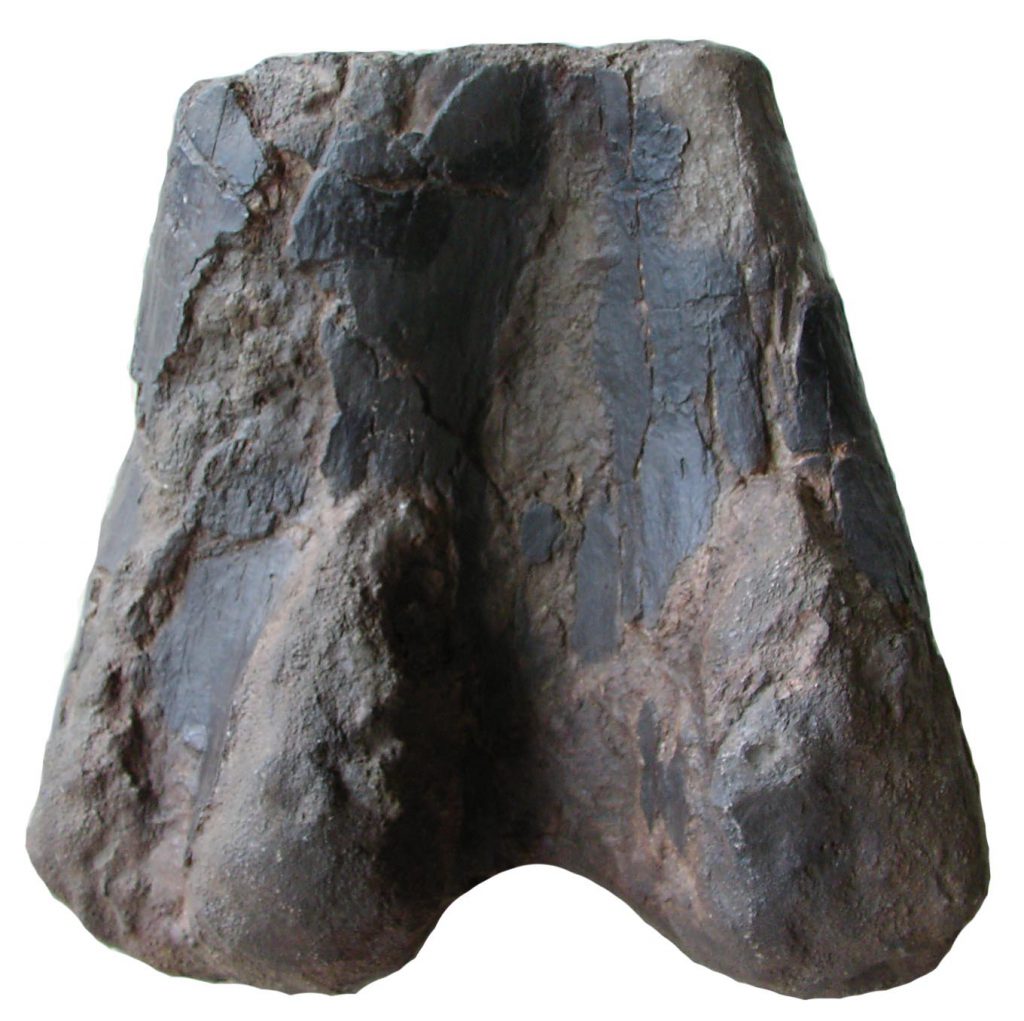
ส่วนปลายของกระดูกต้นขาหลังด้านซ้ายของไดโนเสาร์ซอโรพอดถือเป็นหลักฐานไดโนเสาร์ชิ้นแรกของไทย Source: Wikipedia®
The Discovery That Changed Thailand’s Prehistoric History
The First Dinosaur Bone Ever Found in Thailand
Long before Thailand became known for its vibrant culture, ancient temples, and breathtaking landscapes, its land was home to giants. More than 130 million years ago, what is now northeastern Thailand was a vast floodplain covered by dense forests, winding rivers, and freshwater lakes. Towering conifers, ancient ferns, and primitive flowering plants dominated the landscape, while enormous dinosaurs roamed freely across the region. For millions of years, their remains lay buried beneath layers of sandstone, waiting for someone to uncover one of Thailand’s greatest scientific discoveries.
A Bone That Changed Everything
The story began in 1976 during a geological survey in the mountains of Phu Wiang National Park. While examining exposed rock formations, French paleontologist Éric Buffetaut and his colleagues noticed an unusually large fossilized bone protruding from the sandstone. Further investigation by Thai and international researchers revealed that the fossil was the knee bone of a gigantic long-necked herbivorous dinosaur—a sauropod. Although it was only a single fossil, its scientific importance was enormous. It was the first confirmed dinosaur fossil ever discovered in Thailand. This remarkable find proved that dinosaurs had once inhabited the region and opened an entirely new chapter in Southeast Asian paleontology. Phu Wiang: Thailand’s Dinosaur Valley Following the discovery, extensive excavations began throughout the Phu Wiang Basin. The surrounding rock formations date back to the Early Cretaceous Period, approximately 130–120 million years ago, making them among the richest dinosaur-bearing sediments in Southeast Asia.
Over the following decades, researchers uncovered an extraordinary collection of fossils, including:
* Dinosaur skeletons
* Carnivorous dinosaur teeth
* Dinosaur footprints
* Ancient crocodiles
* Fossil turtles
* Freshwater fish
* Prehistoric plants
Together, these discoveries allowed scientists to reconstruct an ancient ecosystem that flourished long before humans appeared on Earth. The Birth of a New Dinosaur Species Years of excavation eventually yielded enough fossil material to identify a dinosaur species previously unknown to science. It was officially named Phuwiangosaurus sirindhornae. The name Phuwiangosaurus means “the lizard of Phu Wiang,” honoring the location where it was discovered. The species name sirindhornae was chosen in honor of Princess Maha Chakri Sirindhorn, whose dedication to science, geology, and natural history has greatly supported paleontological research in Thailand. This enormous herbivore measured approximately 15 to 20 meters in length, weighed several dozen tons, and moved on four massive pillar-like legs while feeding on vegetation. Its discovery placed Thailand firmly on the global map of dinosaur research.
More Than Ancient Bones
To many visitors, dinosaur fossils may simply appear to be old bones preserved in stone. To paleontologists, however, they are pages from Earth’s oldest history book. Every fossil preserves clues about:
* Evolution
* Ancient climates
* River systems
* Plant communities
* Animal behavior
* Continental movement
* The changing environments of prehistoric Earth
A single fossil can reveal millions of years of Earth’s history. The first dinosaur bone discovered at Phu Wiang became the key that unlocked Thailand’s prehistoric past. Thailand’s Continuing Dinosaur Legacy The success of the Phu Wiang excavations inspired numerous paleontological expeditions across northeastern Thailand.
Today, the country has produced several dinosaur species new to science, including:
* Siamotyrannus isanensis
* Siamosaurus suteethorni
* Kinnareemimus khonkaenensis
These discoveries have established Thailand as one of Southeast Asia’s most significant centers for dinosaur research. The fossils are now preserved and displayed in institutions such as the Sirindhorn Museum, where visitors can explore the country’s remarkable prehistoric heritage.
A Window Into Deep Time
Standing among the sandstone cliffs of Phu Wiang today, it is difficult to imagine that this peaceful landscape was once inhabited by colossal creatures that dominated the Earth. Yet beneath every layer of rock lies a story waiting to be discovered. The first dinosaur bone found in Thailand was far more than a fossil. It was the beginning of a scientific journey that transformed our understanding of Thailand’s natural history and connected the country to one of the greatest stories ever told—the history of life on Earth. Sometimes, the greatest discoveries do not begin with complete skeletons or dramatic excavations. Sometimes, they begin with a single bone emerging quietly from ancient stone, waiting millions of years for someone to recognize its extraordinary significance.